The History of Hillside Avenue in Nutley, New Jersey
In a town filled with classic streets and old-world character, Hillside Avenue stands out as one of Nutley’s most historic and architecturally interesting roads. Long before Nutley became one of Northern New Jersey’s most desirable suburban communities for NYC commuters, Hillside Avenue was already developing its own identity — one rooted in craftsmanship, community, and old-school suburban elegance.
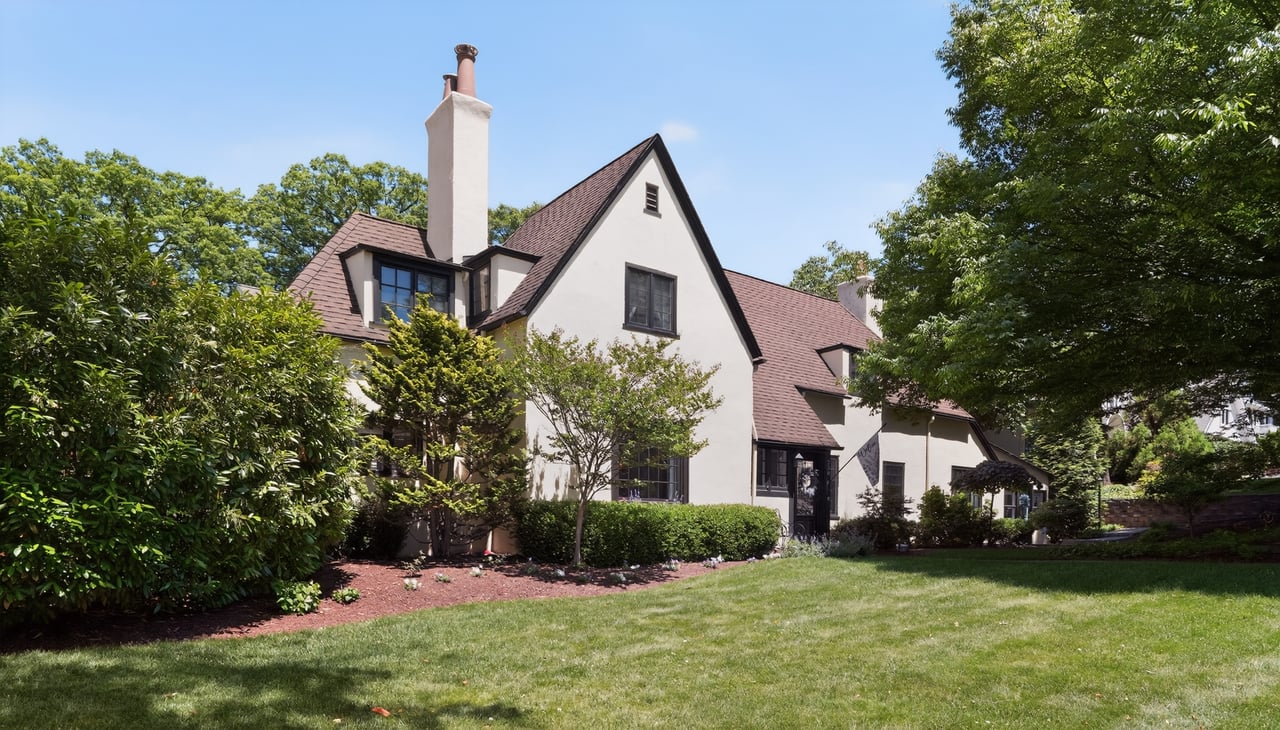
Today, Hillside Avenue stretches through a section of town filled with a mix of Victorian homes, early 20th-century Colonials, multi-family properties, and historic structures that quietly tell the story of Nutley’s growth from rural farmland into a thriving residential suburb. If streets could talk, Hillside Avenue would probably sound like your grandfather sitting at the kitchen table with a cigar and a story that starts with, “Back in the day…”
From Farmland to Neighborhood
Like much of Nutley, the area surrounding Hillside Avenue began as farmland and open countryside in the 18th and early 19th centuries. Nutley itself traces its roots back to Dutch settlers and early colonial families who occupied the area after Newark’s expansion westward. (Wikipedia)
As Newark industrialized in the late 1800s, many wealthy businessmen, professionals, and skilled tradesmen began moving outward into quieter suburban communities like Nutley. The town’s rolling hills, tree-lined streets, and proximity to Newark and New York City made it highly attractive for commuters seeking a more peaceful lifestyle.
Hillside Avenue emerged during this important transformation period. Many of the homes along the street were built in the late 1800s and early 1900s, which explains the variety of architectural styles still seen today. According to property records, the average home along Hillside Avenue dates back to roughly the early 1930s, though several properties are significantly older. (Ownerly)
William H. Lambert’s Influence on the Area
One of the most fascinating historical connections to Hillside Avenue involves architect and developer William H. Lambert, whose influence helped shape much of Nutley’s identity.
Lambert was not just designing homes — he was designing communities. During the late 19th century, he envisioned Nutley as a refined suburban enclave with artistic architecture and neighborhood gathering spaces.
One of the street’s historic landmarks was located at 265 Hillside Avenue, known as “The Hillside House.” Originally built in the early 1890s by Lambert as a recreational and social club known as the Franklin Club, the property later evolved into a rooming house and community structure. (nutleyhistoricalsociety.org)
The building reportedly featured:
-
Game rooms
-
Meeting rooms
-
A dance area
-
Billiard rooms
In other words, it was basically the 1890s version of a country club meets social lounge — minus the Peloton bikes and overpriced cold brew.
This structure reflected Lambert’s broader vision for Nutley: neighborhoods that encouraged community interaction while still maintaining architectural beauty and suburban charm.
A Street of Architectural Variety
One reason Hillside Avenue feels different from many cookie-cutter suburban streets is because it developed gradually over decades instead of all at once.
Walking the avenue today, you’ll find:
-
Victorian homes
-
Early Colonials
-
Craftsman influences
-
Multi-family residences
-
Mid-century additions
-
Renovated modernized properties
Some homes date back to the 1880s. (Realtor) Others were built during Nutley’s major residential growth boom in the 1920s and 1930s. (Ownerly)
This layered development gives the street texture and personality. No two houses feel exactly alike. That’s increasingly rare in today’s housing market, where many developments feel like someone hit “copy and paste” 47 times.
The Rise of Nutley as a Commuter Town
Hillside Avenue benefited heavily from Nutley’s rise as a commuter-friendly suburb.
By the early 20th century, improved transportation routes and access to Newark and Manhattan made Nutley highly attractive to middle and upper-middle-class families. Residents could enjoy:
-
Larger homes
-
Tree-lined streets
-
Better schools
-
More space
-
Cleaner air
-
A stronger sense of community
While still maintaining easy access to employment centers.
That commuter appeal remains one of Nutley’s greatest strengths today. Homes on Hillside Avenue continue to attract buyers who want character and location without sacrificing proximity to New York City.
Hillside Avenue Today
Modern Hillside Avenue reflects both old Nutley and new Nutley at the same time.
Some properties have been meticulously restored to preserve their historic charm, while others have been expanded and modernized for today’s buyers. The street continues to attract:
-
NYC commuters
-
First-time buyers
-
Move-up families
-
Investors
-
Buyers looking for homes with architectural character
Unlike newer developments where homes can feel interchangeable, Hillside Avenue offers something buyers increasingly crave: authenticity.
There’s history in the woodwork.
There’s craftsmanship in the details.
There’s personality in the streetscape.
And in a real estate world dominated by gray vinyl boxes and “luxury” homes with all the warmth of an airport lounge, that matters.
Why Streets Like Hillside Avenue Matter
The story of Hillside Avenue is really the story of Nutley itself.
It reflects:
-
The town’s transition from farmland to suburb
-
The influence of visionary developers like William Lambert
-
The rise of commuter culture
-
The preservation of architectural character
-
The evolution of Northern New Jersey real estate over more than a century
For buyers, streets like Hillside Avenue offer more than square footage. They offer identity. They offer permanence. They offer a sense of place.
And for sellers, owning a home on a historically rich street like Hillside Avenue can be a major marketing advantage when positioned correctly.
Because buyers don’t just buy houses.
They buy stories.
They buy neighborhoods.
They buy emotional connections.
That’s exactly what Hillside Avenue continues to deliver.
Final Thoughts
In many ways, Hillside Avenue represents the best of Nutley: history, character, accessibility, and timeless suburban appeal. From its late 19th-century roots to its role in today’s competitive Northern New Jersey housing market, the street has quietly remained one of the town’s most interesting residential corridors.
And honestly? Streets like this are why people fall in love with Nutley in the first place.
Not because it’s trendy.
Not because it’s flashy.
Because it feels real.
That’s something you can’t build overnight. (nutleyhistoricalsociety.org)